Contributor: S. Padmanaban, Canada
In recent times, Canadian private sector employees have increasingly borne
the brunt of work-life balance challenges due to mounting pressures from their
companies and clients. The pivotal question haunting workers is whether Canada,
in conjunction with its provincial labor welfare authorities, will proactively
address this pressing issue. The gravity of the situation is compounded by the
fact that a significant proportion of those affected are immigrants.
One disheartened employee from a private company lamented the encroachment
upon their personal time—specifically, their non-paid lunch break—under the
guise of training obligations. While organizations invest in employee
development through training programs to enhance skills and maximize
productivity, it remains imperative that companies allocate compensated time
for such endeavors. Additionally, during the brief respite of a meal break,
employees should have the liberty to reconnect with family or take a refreshing
stroll. The ethical dilemma arises: Is it justifiable to appropriate this
precious time in the name of training?
The collective demand from employees resonates clearly: Canadian federal
government, in collaboration with the relevant Provincial Ministry of Labor and
Welfare, must conduct a thorough investigation and take decisive action to
restore a harmonious work-life equilibrium.
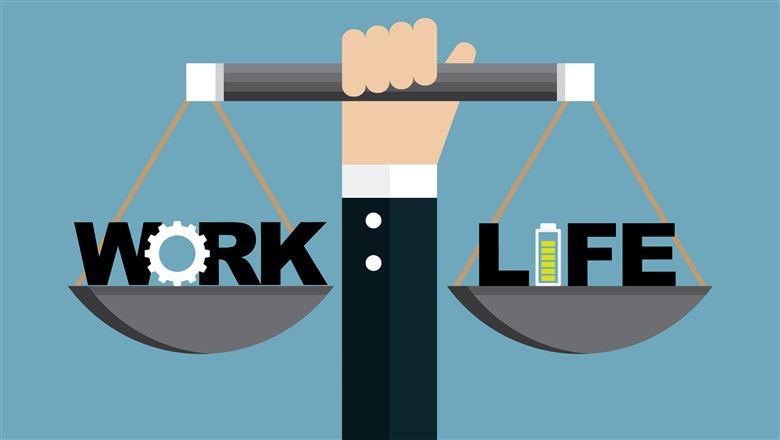
“Remember, fostering a healthy work-life balance is essential for individual well-being and overall
societal productivity. While Canada ranks favorably in global work-life balance assessments, continuous efforts are needed to ensure the welfare of its workforce.“


 In recent times, Canadian private sector employees have increasingly borne
the brunt of work-life balance challenges due to mounting pressures from their
companies and clients. The pivotal question haunting workers is whether Canada,
in conjunction with its provincial labor welfare authorities, will proactively
address this pressing issue. The gravity of the situation is compounded by the
fact that a significant proportion of those affected are immigrants.
One disheartened employee from a private company lamented the encroachment
upon their personal time—specifically, their non-paid lunch break—under the
guise of training obligations. While organizations invest in employee
development through training programs to enhance skills and maximize
productivity, it remains imperative that companies allocate compensated time
for such endeavors. Additionally, during the brief respite of a meal break,
employees should have the liberty to reconnect with family or take a refreshing
stroll. The ethical dilemma arises: Is it justifiable to appropriate this
precious time in the name of training?
The collective demand from employees resonates clearly: Canadian federal
government, in collaboration with the relevant Provincial Ministry of Labor and
Welfare, must conduct a thorough investigation and take decisive action to
restore a harmonious work-life equilibrium.
“Remember, fostering a healthy work-life balance is essential for individual well-being and overall
societal productivity. While Canada ranks favorably in global work-life balance assessments, continuous efforts are needed to ensure the welfare of its workforce.“
In recent times, Canadian private sector employees have increasingly borne
the brunt of work-life balance challenges due to mounting pressures from their
companies and clients. The pivotal question haunting workers is whether Canada,
in conjunction with its provincial labor welfare authorities, will proactively
address this pressing issue. The gravity of the situation is compounded by the
fact that a significant proportion of those affected are immigrants.
One disheartened employee from a private company lamented the encroachment
upon their personal time—specifically, their non-paid lunch break—under the
guise of training obligations. While organizations invest in employee
development through training programs to enhance skills and maximize
productivity, it remains imperative that companies allocate compensated time
for such endeavors. Additionally, during the brief respite of a meal break,
employees should have the liberty to reconnect with family or take a refreshing
stroll. The ethical dilemma arises: Is it justifiable to appropriate this
precious time in the name of training?
The collective demand from employees resonates clearly: Canadian federal
government, in collaboration with the relevant Provincial Ministry of Labor and
Welfare, must conduct a thorough investigation and take decisive action to
restore a harmonious work-life equilibrium.
“Remember, fostering a healthy work-life balance is essential for individual well-being and overall
societal productivity. While Canada ranks favorably in global work-life balance assessments, continuous efforts are needed to ensure the welfare of its workforce.“