

-Hello Asia News Team, Bengaluru

In a chilling revelation, the revered Dharmasthala Manjunatha Temple in Karnataka’s Beltangady stands accused of being a den of horrific crimes, where neither law, justice, nor police dare to tread. Shocking evidence has emerged of hundreds of women subjected to sexual violence, buried, or burned, exposing the sinister underbelly of this so-called spiritual haven.
A Temple of Power and Fear
The 800-year-old Dharmasthala Manjunatha Temple, originally a Jain shrine, has transformed into a prominent Shaiva-Vaishnava temple, drawing thousands of devotees daily from across India. Known for its golden Shivalinga, Lord Manjunatha, and Jain Tirthankara Chandraprabha, the temple also houses guardian deities Kumaraswamy and Kanyakumari Yakshini. Beyond its religious façade, the temple operates as a quasi-court, where Veerendra Heggade, the 77-year-old patriarch of a Brahmin family, presides over disputes as the divine representative of Manjunatha. His rulings are unquestioningly accepted, cementing his unchecked authority.
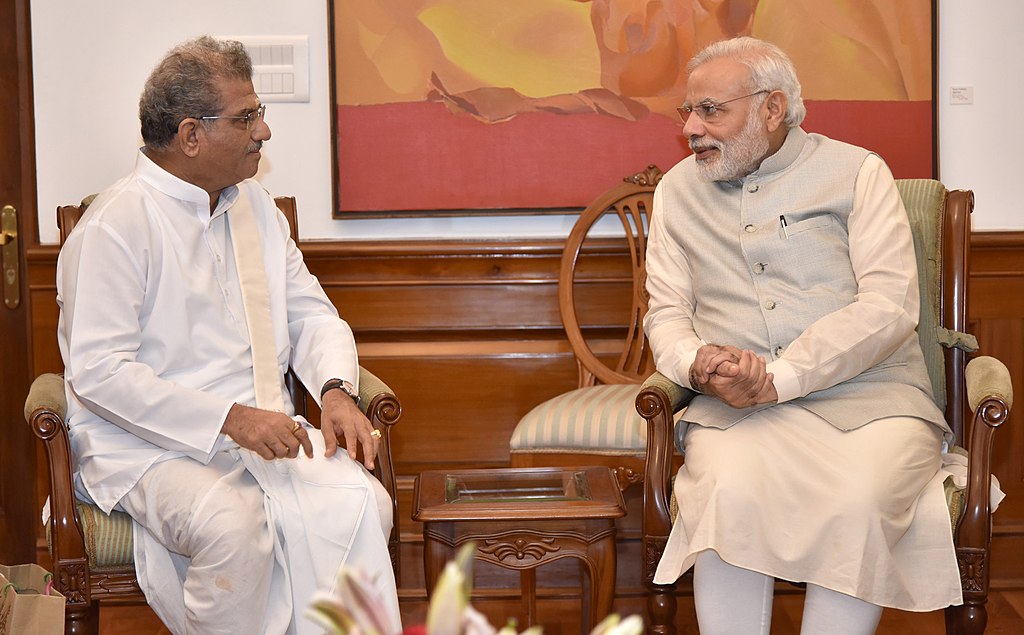
Heggade, honored with India’s prestigious Padma Vibhushan and Karnataka Ratna awards, wields power unmatched even by the state’s Chief Minister or India’s Prime Minister. A Rajya Sabha MP backed by the BJP, he enjoys close ties with RSS, Vishwa Hindu Parishad, and Bajrang Dal, while maintaining cordial relations with Congress and JD(S) leaders. His influence is so pervasive that local shops display his framed photographs, and farmers are compelled to donate a portion of their harvest to the temple’s Annapoorna charity, feeding 10,000 daily.
A Trail of Disappearances and Death
For years, whispers of women vanishing from Dharmasthala have haunted the region. Those seeking solace from mental distress, occult afflictions, or homelessness often come to the temple, believing a week-long stay will cure their woes. Many never return. From 2003 to 2013, the temple recorded 462 unnatural deaths, yet no one has faced justice—an astonishing miscarriage of accountability.
A former temple health worker recently surrendered to a court, confessing to burying or burning over a hundred women’s bodies. Fearing for his life, he presented skulls as evidence and sought protection. His testimony was spurred by personal tragedy: temple authorities allegedly raped and murdered his young female relative, forcing him into hiding for a decade in another state. Encouraged by young lawyers Sachin Desh Pandey and Ojaswi Gowda, he has now exposed these atrocities, submitting photographs, his Aadhaar card, and old employee ID to the police to validate his claims.
High-Profile Cases Ignored
The 2003 disappearance of Ananya, an MBBS student visiting during a college tour, sparked outrage but no action. Her mother, Sujatha, a CBI employee from Kolkata, was brutally attacked and hospitalized for three months after pursuing justice. Now 60, Sujatha has returned to Bengaluru, still fighting for her daughter. The 2012 rape and murder of Sowjanya further exposed the temple’s dark secrets, yet investigations stalled.

In Picture: Mrs. Sujatha, the mother of one of the victims, Miss Ananya, a first-year MBBS student.
A Call for Justice
Demands for a Special Investigation Team (SIT) to probe these atrocities are intensifying. Senior advocates Balan and Dwarkanath, alongside activist Narasimman, held a press conference in Bengaluru, urging an impartial inquiry. Narasimman revealed meeting Chief Minister Siddaramaiah, who appeared hesitant, leaving activists disheartened. Karnataka’s Deputy Chief Minister Shivakumar callously remarked, “We must pray to that god for justice,” highlighting the impunity shielding the temple’s elite.
As this spiritual stronghold masquerades as a beacon of divinity, its alleged crimes—enabled by power, fear, and political collusion—demand urgent scrutiny. Will the government act, or will public outrage finally force accountability?