

Editorial, Hello Asia News
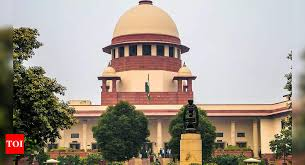
In a recent legal twist, Jharkhand’s tribal leader, Hemant Soren, finds himself entangled in a battle for justice reminiscent of Delhi’s Chief Minister, Arvind Kejriwal. However, the apex court’s divergent stance on their interim bail pleas has stirred controversy and prompted scrutiny of its judicial approach.
Soren’s legal ordeal began on January 31 when he was apprehended by the Enforcement Directorate in connection with a money laundering case linked to a land scam. Seeking reprieve, Soren promptly approached the Supreme Court, only to be redirected to the Jharkhand High Court.
Despite his expedited pursuit of justice, Soren faced disappointment when the High Court dismissed his case on May 3, coinciding with the election fervor. Moreover, his plea for interim bail was swiftly rebuffed on the same day, prolonging his confinement.
Undeterred, Soren renewed his plea before the Supreme Court on May 6, citing parallels with Kejriwal’s bail grant. Arguing on his behalf, senior advocate Kapil Sibal emphasized the fundamental right to campaign, a cornerstone of democratic ethos.
Drawing a parallel with Kejriwal’s case, Sibal contended that Soren’s circumstances mirrored those underpinning the grant of interim bail to the Delhi Chief Minister. However, the bench, comprising Justices Sanjiv Khanna and Deepankar Dutta, deferred the decision, citing the need for scrutiny of the Enforcement Directorate’s actions.
Critics lamented the court’s hesitance, questioning the discrepancy in treatment between political figures. They underscored the urgency of the matter, highlighting the imminent conclusion of the electoral process in Jharkhand.
Despite fervent appeals from Sibal and co-counsel Arunab Chowdhury, the court deferred the hearing to May 20, citing logistical constraints. Sibal’s threat to withdraw the case underscored the gravity of the situation, urging judicial expediency.
Amid allegations of governmental overreach through agencies like the Enforcement Directorate and CBI, concerns mount over the integrity of electoral processes. The refusal to grant interim bail to Soren amid ongoing elections amplifies apprehensions of partisan interference in the judiciary.
As the legal saga unfolds, it not only tests the boundaries of judicial impartiality but also underscores the fragility of democratic institutions under the shadow of political influence.
Courtesy: Aram Online, Original article Written by Thiru. Hari Paranthaman, Retired Justice, High Court, Chennai
Title Revised and Article Translated by Hello Asia Editorial.