Rajamanickam, in a letter to the editor from Chennai.
All MPs could go to the Parliament Canteen!
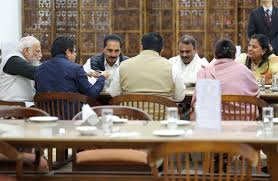
Image: Modi and his team at Parliament Canteen
Constituencies benefit from their elected Members of Parliament (MPs) in several ways, irrespective of whether the MP belongs to the ruling party or the opposition. Some key benefits include:
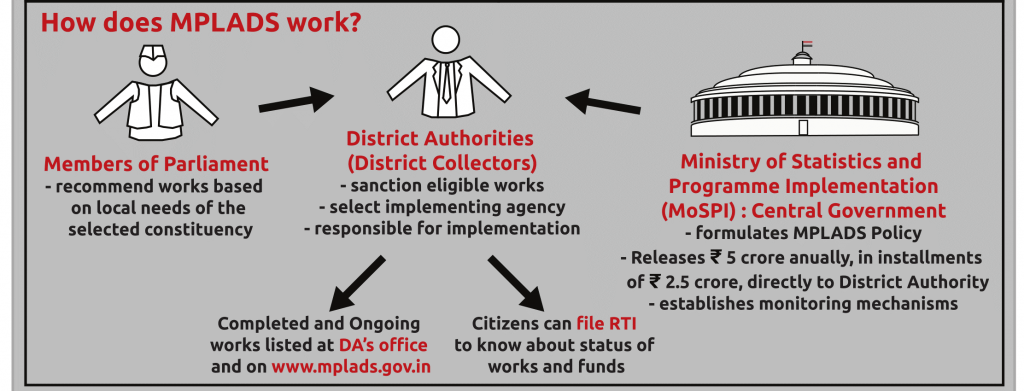
Development Projects through MPLADS: Each MP is allocated funds under the Member of Parliament Local Area Development Scheme (MPLADS). These funds can be used for various development projects in the constituency, such as building infrastructure, improving public facilities, and supporting educational and health initiatives.
Representation in Parliament: MPs represent their constituency’s interests in the national parliament. They raise issues, participate in debates, and advocate for policies and resources that benefit their constituency.
Access to Government Programs and Schemes: MPs can facilitate the implementation of central government schemes and programs in their constituencies. They can also help constituents navigate bureaucratic processes to access these benefits.
Grievance Redressal: MPs often act as intermediaries between the government and the public, helping to address and resolve the grievances of their constituents. They can escalate local issues to the appropriate authorities and ensure they are addressed.
Infrastructure Development: MPs can push for the development and improvement of infrastructure in their constituencies, including roads, schools, hospitals, and public utilities.
Community Engagement: MPs typically engage with their constituents through public meetings, local events, and outreach programs. This engagement helps them understand the needs and concerns of the people they represent and work towards addressing them.
Employment and Economic Opportunities: By advocating for and facilitating various development projects and industrial initiatives, MPs can contribute to job creation and economic growth in their constituencies.
Educational and Health Initiatives: MPs can support the establishment and enhancement of educational institutions and healthcare facilities in their constituencies, improving access to education and healthcare services.
Local Leadership and Advocacy: MPs can use their influence and platform to bring attention to local issues on a national level, advocating for solutions and resources that benefit their constituency.
These benefits help improve the overall quality of life in the constituency, regardless of the MP’s party affiliation. At the same time, MPs who are rejected or defeated by the people should not be offered any ministerial position, as it may be shameful to the common public.
MP contestants who are rejected or defeated by the people during elections should not be given ministerial posts, as it is an act of humiliation to the public