

By Hello Asia News
Introduction
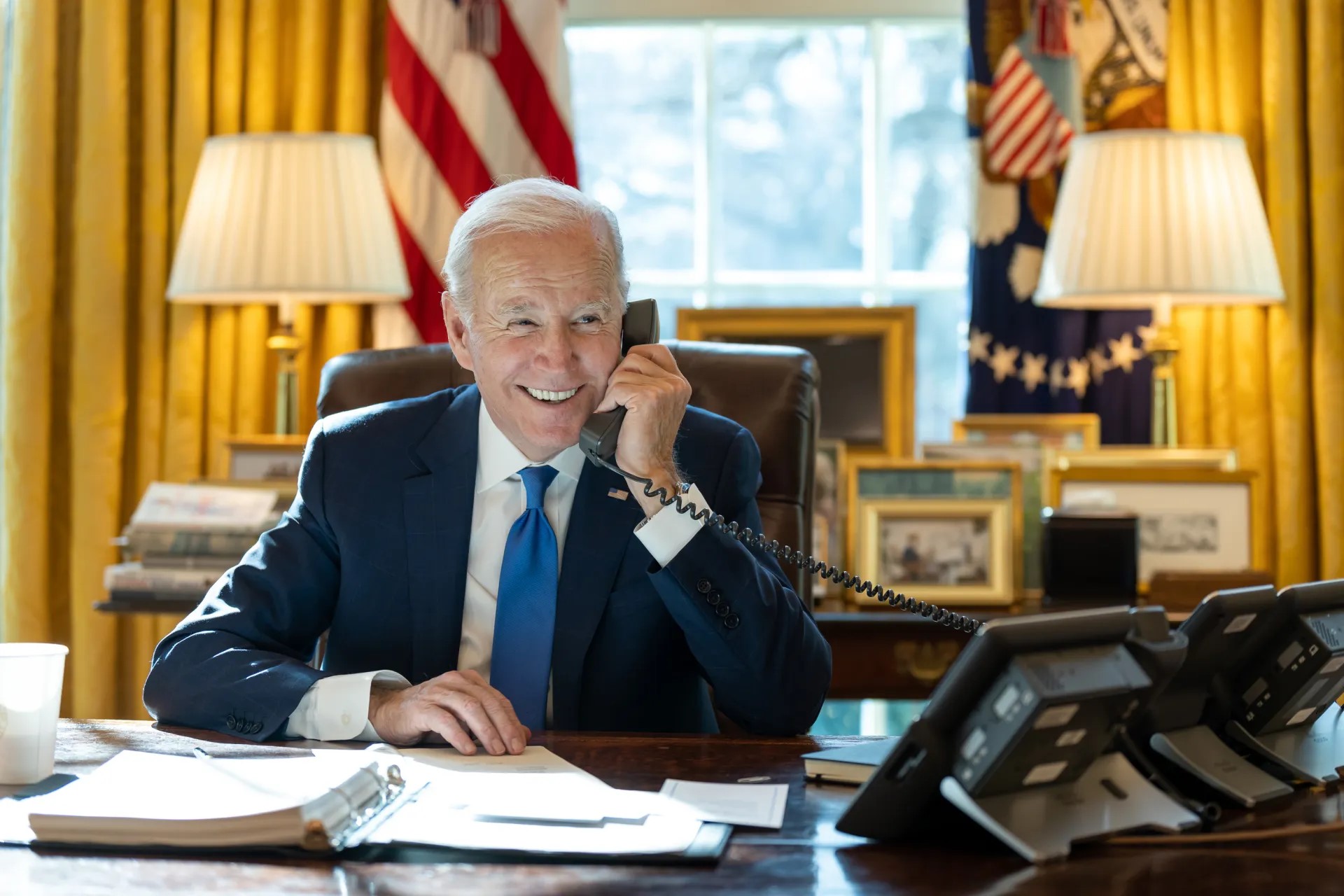
The decision by President Joe Biden to withdraw from the Presidential election marks a significant moment in U.S. political history. As the incumbent, Biden’s withdrawal opens the field for new Democratic contenders and reshapes the political landscape for the upcoming election. This article explores the reasons behind Biden’s decision, the immediate implications for the Democratic Party, and the broader impact on the American political climate.
Reasons for Withdrawal
- Age and Health Concerns:
- Biden’s Age: At 81 years old, Biden’s age has been a focal point of scrutiny throughout his presidency. Concerns about his stamina and ability to handle the rigors of another term may have influenced his decision.
- Health: While there has been no official statement regarding health issues, it’s possible that personal or family health concerns played a role.
- Political Strategy:
- Party Unity: Biden’s withdrawal could be a strategic move to unify the Democratic Party. By stepping aside, he allows for a potentially younger, more dynamic candidate to emerge, appealing to a broader electorate.
- Electability: With his approval ratings fluctuating, Biden’s decision might stem from a desire to avoid a contentious primary battle and to increase the party’s chances in the general election.
- Legacy and Achievements:
- Focus on Accomplishments: Biden may wish to conclude his political career on a high note, highlighting his administration’s accomplishments without the distraction of a re-election campaign.
- Shaping the Future: By withdrawing, Biden can influence the selection of his successor and the future direction of the Democratic Party.
Immediate Implications for the Democratic Party
- Primary Contenders:
- Open Field: Biden’s withdrawal opens the field for a wide range of Democratic candidates. Potential contenders may include Vice President Kamala Harris, Transportation Secretary Pete Buttigieg, and other prominent figures within the party.
- Increased Competition: The absence of an incumbent President changes the dynamics of the primary, potentially leading to a more competitive and diverse race.
- Party Strategy:
- Policy Focus: The Democratic Party will need to refine its policy priorities to reflect the changing political landscape and address the key issues that will resonate with voters.
- Voter Mobilization: Energizing the base and reaching out to swing voters will be crucial. The party must build a robust ground game and digital strategy to maintain momentum.
Broader Political Impact
- Republican Strategy:
- Shift in Tactics: With Biden out of the race, Republican candidates will need to adjust their strategies. The focus may shift from critiquing Biden’s presidency to addressing the policies and persona of the new Democratic candidate.
- Opportunity for Attacks: The Republican Party might capitalize on the uncertainty and perceived instability within the Democratic ranks to galvanize their base.
- Electoral Dynamics:
- New Narratives: The upcoming election will feature new narratives and debates, potentially reshaping the key issues and voter concerns. Topics such as healthcare, climate change, and economic recovery will remain pivotal.
- Voter Engagement: Biden’s withdrawal could either invigorate or demoralize certain voter segments. The Democratic Party must work to maintain high levels of voter engagement and turnout.
Conclusion
Joe Biden’s decision to withdraw from the Presidential election is a pivotal moment that will significantly influence the Democratic Party and the broader political landscape. It presents both challenges and opportunities, requiring strategic adjustments from all political players. As the field opens for new candidates, the upcoming election promises to be a dynamic and transformative event in American politics. The key for the Democratic Party will be to navigate this transition effectively, ensuring a strong candidate emerges to lead the charge in the next election.