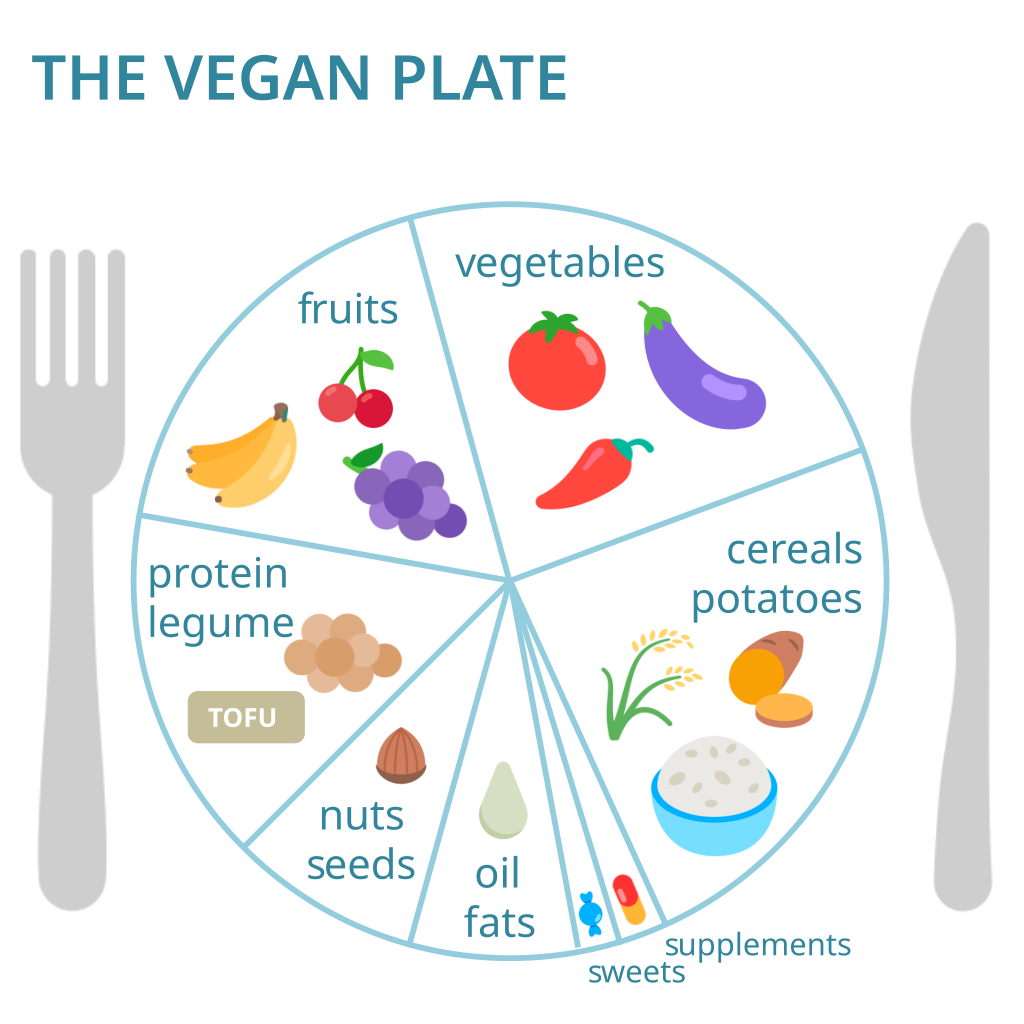
As an avid reader of Hello Asia News, I’ve noticed the growing popularity of veganism and its strong advocacy for animal rights. While I respect the ethical considerations behind choosing a vegan lifestyle, I believe it’s important to highlight certain inconsistencies and contradictions within the movement. This article aims to explore these points and encourage a more nuanced conversation about veganism.
The Carnivorous Nature of Some Plants
One of the primary arguments for veganism is the desire to avoid causing harm to animals. However, nature is not as black and white as this philosophy might suggest. For instance, some plants exhibit carnivorous characteristics. Plants like the Venus flytrap, pitcher plants, and sundews actively capture and digest insects and small animals to fulfill their nutritional needs.
This raises an intriguing question: If some plants are naturally inclined to consume animal matter, does the strict avoidance of all animal products align with the natural order? While this may seem like a minor point, it underscores the complexity of nature and the difficulty of drawing clear moral lines.
The Ethical Dilemma of Pet Ownership
Many vegans are also pet owners, particularly of animals such as dogs and cats. These beloved pets often require diets that include meat or animal by-products to thrive. Commercial pet food is predominantly made from meat and fish, posing a direct contradiction to the principles of veganism.
How do we reconcile the ethics of feeding pets a carnivorous diet while advocating for a lifestyle that rejects animal consumption? This is a significant ethical dilemma that many vegans face. The welfare of pets is undoubtedly important, but it raises questions about the selective application of vegan principles.
The Cruelty in Pet Ownership Practices
Beyond dietary concerns, pet ownership often involves practices that suppress the natural behaviors and needs of animals. Pets are frequently trained to suppress their natural instincts, which can be considered a form of cruelty. For instance, we train dogs not to express certain emotions or behaviors that are natural to them, such as barking or digging. Moreover, pets are often deprived of their natural mating behaviors due to human-imposed restrictions and controls.
While pet owners may argue that they are providing care and companionship, these practices suggest a deeper issue of controlling and modifying animal behavior for human convenience. This raises a critical question: Can we truly claim to be free of cruelty towards animals when we impose such restrictions on our pets?
The Complexity of Ethical Consumption
Veganism often extends beyond diet to include the avoidance of animal products in clothing, cosmetics, and other consumer goods. However, the complexity of modern supply chains makes it nearly impossible to ensure that every product is entirely free from animal exploitation. For instance, the agricultural practices used to grow crops often result in the displacement or death of wildlife, and the production of synthetic alternatives can have significant environmental impacts.
This doesn’t mean that the efforts of vegans are in vain, but it does highlight the difficulty of living a completely cruelty-free life. It’s crucial to recognize these limitations and strive for continuous improvement rather than claiming moral superiority.
The Bigger Picture: Global Conflicts and Human Suffering
While the vegan movement is vocal about animal rights, there is often a noticeable silence on issues of human suffering, particularly in the context of global conflicts. Wars, such as those in Sri Lanka, Gaza, and Syria, have resulted in the deaths of countless innocent civilians, including children. These tragic events raise important ethical questions about the prioritization of concerns within the vegan community.

Image: Tamils conflicts, Sri Lanka
- Sri Lankan Civil War: The civil war in Sri Lanka, which lasted from 1983 to 2009, saw tens of thousands of deaths, including many children. The human rights violations and suffering experienced by the civilian population were immense.

Image: Gaza conflict
- Gaza Conflict: The ongoing conflict in Gaza has led to significant loss of life, including numerous children. The humanitarian crisis in the region demands urgent attention and action.

Image: Syria conflict
- Syrian Civil War: The Syrian civil war, which began in 2011, has resulted in the deaths of hundreds of thousands of people, with children being particularly vulnerable. The displacement and suffering of millions of Syrians highlight the severe impact of war on innocent lives.
A Call for Consistent Compassion
It is essential to consider whether the same passion and advocacy demonstrated for animal rights extend to human rights in these contexts. How many vegans have actively raised their voices or taken action to address the plight of children and civilians caught in these devastating conflicts?
The ethical framework that underpins veganism should, in principle, encompass all forms of suffering, whether animal or human. A more holistic approach to compassion would mean not only advocating for the rights of animals but also standing against the injustices and atrocities faced by humans worldwide.
The Lives of Plants: A Scientific Perspective
Recent scientific discoveries have revealed that plants are not only living organisms but also possess a form of communication. Through a network of roots and fungal connections, often referred to as the “Wood Wide Web,” plants can share nutrients, send distress signals, and even warn each other of impending threats. This complex communication system indicates that plants have a level of awareness and interaction previously unrecognized.
If we acknowledge that plants have lives and a form of communication, the ethical implications extend further. No plant willingly gives its parts for human consumption. If avoiding harm is a fundamental principle, then consuming plants without their consent could also be viewed as an act of cruelty. This challenges the notion of a completely harm-free diet and highlights the complexities of ethical eating.
Food: A Matter of Survival and Fitness
It is important to recognize that food, whether vegan, vegetarian, or non-vegetarian, is ultimately about survival and fitness. People choose their diets based on various factors, including health, cultural practices, and personal preferences. Labeling food choices as cruel overlooks the fundamental need for humans to nourish themselves in ways that best support their individual well-being.
Food is food. It sustains life and supports health. Spreading discrimination and empathy based on dietary choices only serves to divide us further. Instead, we should respect each other’s choices and understand that what works for one person may not work for another. It’s about finding a balance that promotes health, sustainability, and compassion for all living beings.
A Call for Balanced Dialogue
My intention is not to undermine the vegan movement but to encourage a more balanced and inclusive dialogue. Veganism has undeniably positive aspects, including promoting compassion towards animals and encouraging sustainable practices. However, it’s important to acknowledge and address the inherent contradictions and challenges within the movement.
By fostering open and honest discussions, we can work towards more ethical and sustainable lifestyles that respect the complexity of our natural world. Instead of rigidly adhering to a single philosophy, let’s aim for a holistic approach that considers the welfare of all living beings and the environment.
In conclusion, while veganism is a commendable effort towards reducing animal suffering, it’s essential to recognize the nuances and contradictions that come with it. Only through balanced dialogue and a willingness to address these issues can we make meaningful progress towards a more ethical and sustainable future.
Submitted by: Padmanaban Rajagopalan, Canada
This news is brought to you by: